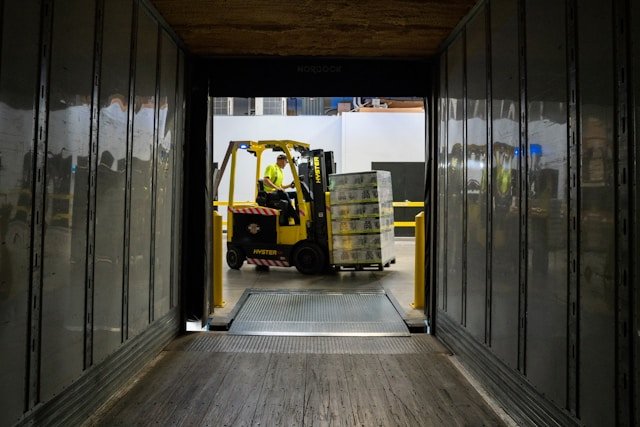
Choosing a forklift dealer represents one of the most consequential purchasing decisions Australian warehouse and logistics businesses make. The right dealer provides reliable equipment, responsive service, and long-term partnership that keeps operations running smoothly. The wrong dealer creates ongoing headaches through equipment failures, poor service, and costly downtime that disrupts business operations.
Yet many Australian businesses approach forklift dealer selection with insufficient due diligence, focusing primarily on upfront equipment costs whilst overlooking factors that determine total cost of ownership and operational reliability over the equipment’s lifespan.
Beyond the Purchase Price
The biggest mistake Australian businesses make when selecting forklift dealers is prioritising initial equipment cost above all other considerations. Whilst purchase price matters, it represents just one component of total ownership costs over a forklift’s typical 7-10 year operational life.
A Brisbane warehouse recently purchased three forklifts from a dealer offering prices 15% below competitors. Within 18 months, they’d spent over $28,000 on repairs and experienced significant operational disruptions from equipment failures. Their maintenance costs alone exceeded the initial savings, and downtime costs—including delayed shipments and overtime to catch up—compounded the poor decision.
Total cost of ownership includes initial purchase or lease costs, ongoing maintenance and repair expenses, parts availability and pricing, downtime frequency and duration, operator training and safety compliance, and eventual trade-in or residual value. Quality dealers deliver better outcomes across all these factors despite potentially higher initial costs.
Service and Support Infrastructure
Forklift equipment will require service, repairs, and maintenance throughout its operational life. The dealer’s service capabilities directly impact how these inevitable needs affect your operations.
Critical service factors include qualified technician availability in your geographic area, response times for urgent repairs and breakdowns, parts inventory and supply chain reliability, preventive maintenance programme quality, and emergency support availability outside business hours.
A Sydney logistics company discovered the importance of local service infrastructure after purchasing forklifts from a distant dealer offering attractive pricing. When equipment required service, technicians travelled from over 100km away—creating scheduling complications, extended downtime, and additional travel charges that quickly eroded any initial cost savings.
Parts Availability and Pricing
Forklift downtime costs Australian businesses hundreds to thousands of dollars daily depending on operational scale. Parts availability directly determines how quickly failed equipment returns to service.
Quality forklift dealer relationships provide ready access to common replacement parts through local inventory, rapid sourcing of less common components through established supply chains, transparent and competitive parts pricing, and compatibility assurance that parts meet equipment specifications.
Dealers maintaining inadequate parts inventories create extended downtime whilst sourcing components. A Melbourne manufacturer experienced this frustration when their forklift’s hydraulic system failed. Their dealer required 8 days to source replacement parts—8 days of production disruption and manual handling that cost the business over $15,000 in lost productivity.
Brand Reputation and Equipment Quality
Not all forklift brands deliver equal reliability, performance, or longevity. Established manufacturers with proven track records provide equipment that performs reliably over extended service lives. Lesser-known brands may offer attractive pricing but potentially compromise long-term reliability.
Quality dealers represent reputable manufacturers whose equipment demonstrates proven performance in Australian conditions. They can provide references from existing customers, maintenance and repair history data for equipment models, and realistic assessments of equipment capabilities and limitations for your specific applications.
Operator Training and Safety Compliance
Australian workplace safety regulations require proper forklift operator training and certification. Quality dealers provide or facilitate comprehensive training programmes, ongoing refresher training options, safety compliance guidance, and documentation supporting regulatory requirements.
Dealers treating training as afterthought or additional profit centre rather than essential service component create compliance risks and safety concerns that expose businesses to regulatory penalties and workplace incidents.
Flexibility in Purchasing Options
Different businesses have different financial structures and preferences around equipment acquisition. Quality dealers offer diverse purchasing arrangements including outright purchase options, lease and rental programmes, hire purchase agreements, and trade-in facilitation for existing equipment.
This flexibility enables businesses to structure acquisitions matching their financial circumstances and operational strategies rather than forcing one-size-fits-all approaches.
Geographic Coverage and Multi-Site Support
Businesses operating across multiple locations need dealers capable of supporting equipment nationally or at least across relevant geographic regions. Dealers with limited geographic coverage create complications for multi-site operations requiring consistent equipment specifications, coordinated service support, and simplified procurement processes.
Dealer Longevity and Financial Stability
Forklift relationships extend over many years. Dealers who cease operations or experience financial difficulties create serious problems for customers holding equipment warranties, service contracts, and parts supply dependencies.
Established dealers with proven track records and financial stability provide assurance they’ll remain operational throughout your equipment’s service life. Investigating dealer history, ownership structure, and market presence helps assess long-term viability.
The Evaluation Process
Australian businesses should approach forklift dealer selection systematically rather than accepting the first quote received or choosing purely on price.
Effective evaluation includes requesting and checking references from current customers with similar operations, visiting dealer facilities to assess parts inventory and service capabilities, reviewing service response time commitments and guarantee terms, comparing total cost of ownership across dealers rather than just purchase prices, evaluating training programmes and safety compliance support, and assessing financial stability and business longevity indicators.
Warning Signs to Avoid
Certain dealer characteristics should raise immediate concerns including reluctance to provide customer references, vague or non-existent service commitments, extremely low pricing without clear explanation, limited parts inventory or supply chain access, high-pressure sales tactics and rushed decision demands, and poor communication or unresponsiveness during sales process.
These warning signs typically indicate operational problems that will affect service quality and long-term dealer viability.
Making the Decision
Choosing the right forklift dealer requires looking beyond immediate costs to evaluate total value over the equipment’s operational life. The cheapest initial price often proves most expensive when factoring service quality, parts availability, downtime, and equipment longevity.
Sydney businesses that invest time in proper dealer evaluation typically experience better equipment performance, lower total ownership costs, and operational reliability that justifies any modest initial price premiums paid for quality dealer relationships.